
Lint Trap Cleaning
Professional Lint Trap Cleaning Services for a Safer, More Efficient Dryer
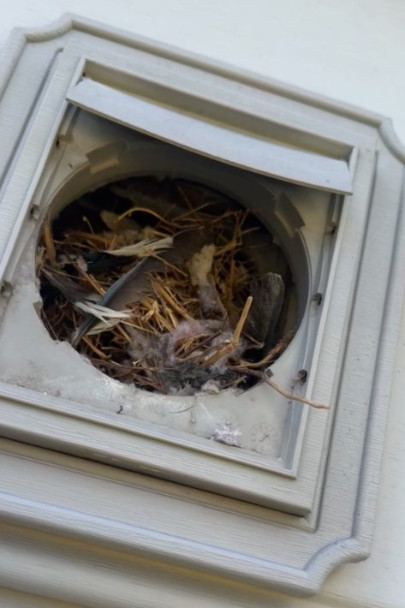
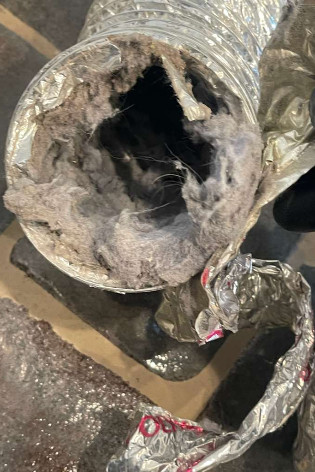
Most homeowners know they should clean the lint trap after every load of laundry — and many do. But even the most diligent lint trap cleaning are often unaware that removing the visible lint screen after each cycle is only the most basic level of lint trap maintenance. Over time, a buildup of residue, fine lint particles, and fabric softener film accumulates deep within the lint trap housing and along the trap duct that connects it to the main dryer vent system — a buildup that regular screen cleaning simply cannot address. Without periodic professional lint trap cleaning, this hidden accumulation quietly restricts airflow, reduces dryer efficiency, and contributes to the fire risk that makes dryer maintenance such an important home safety priority. At Moonstone Duct Experts, we provide professional lint trap cleaning services for homeowners and businesses throughout Los Angeles and the surrounding areas. Our thorough cleaning process goes well beyond the surface level, addressing every component of your lint trap system to restore full airflow, improve dryer performance, and keep your home safe from one of the most preventable household fire hazards.
Understanding Your Lint Trap System
To understand why professional lint trap cleaning matters, it helps to understand how the lint trap system actually works. Your dryer’s lint trap system consists of several interconnected components that work together to capture and manage the lint produced during each drying cycle:
The Lint Screen
The lint screen is the removable mesh filter that most homeowners are familiar with — the component that slides out of the lint trap slot and is cleaned after each load. The lint screen catches the majority of larger lint particles produced during drying, preventing them from entering the vent duct system.
The Lint Trap Housing
The lint trap housing is the slot or chamber inside the dryer into which the lint screen slides. Over time, fine lint particles that pass through or around the edges of the screen accumulate inside the housing walls, creating a buildup that is not removed by simply cleaning the screen itself.
The Lint Trap Duct
Beneath the lint trap housing, a short internal duct connects the trap to the main dryer vent system. This duct section is a common site of significant lint accumulation — particularly in dryers that have not had the trap professionally cleaned in several years.
Fabric Softener and Dryer Sheet Residue
Regular use of fabric softener sheets leaves behind a thin film of waxy residue that coats the lint screen mesh over time, gradually reducing its ability to allow air to flow freely through the filter. This residue buildup is invisible to the naked eye but measurably reduces airflow even when the screen appears clean.
Why Regular Lint Screen Cleaning Is Not Enough
Cleaning the lint screen after every load is an important habit — but it addresses only the most visible and accessible portion of your lint trap system. Here’s why professional cleaning of the entire lint trap system is also necessary:
Fine Lint Passes Through the Screen
No lint screen is capable of capturing 100 percent of the lint produced by a drying cycle. Fine lint particles pass through the mesh and accumulate inside the trap housing and connecting duct over time, building up in areas that are not accessible without disassembly and professional cleaning equipment.
Fabric Softener Film Restricts Airflow
The waxy residue left by dryer sheets and liquid fabric softener gradually coats the lint screen mesh and reduces its air permeability. A screen coated with fabric softener film may look clean but is actually significantly restricting the airflow through the trap — forcing the dryer to work harder and reducing drying efficiency.
Lint Accumulates in the Housing and Trap Duct
The lint trap housing and connecting duct accumulate lint regardless of how diligently the screen is cleaned. This internal buildup is hidden from view and can only be effectively removed with professional cleaning tools and techniques.
Lint Buildup Contributes to Fire Risk
Lint is highly flammable, and any accumulation inside the dryer — whether in the trap housing, the trap duct, or anywhere else within the appliance — contributes to the overall fire risk. Professional lint trap cleaning removes this hidden fuel source and reduces the risk of a dryer fire starting from within the appliance itself.
Signs Your Lint Trap Needs Professional Cleaning
In addition to following a regular professional cleaning schedule, watch for these signs that your lint trap system needs attention sooner:
Reduced Airflow Through the Lint Screen
One simple test for fabric softener film buildup on your lint screen is to hold the screen under running water. If water pools on the surface of the screen rather than flowing freely through the mesh, the screen is coated with residue that is restricting airflow and needs professional cleaning.
Longer Drying Times Despite a Clean Screen
If your dryer is taking longer than usual to dry clothes even though you clean the lint screen regularly after every load, restricted airflow caused by buildup inside the trap housing or trap duct may be the cause.
Dryer Running Hotter Than Normal
Restricted airflow through a partially blocked lint trap system causes heat to build up inside the dryer rather than being expelled efficiently. If your dryer or your laundry room feels unusually hot during operation, lint trap cleaning may be needed.
Visible Lint Inside the Trap Housing
If you look inside the lint trap slot when the screen is removed and see visible lint accumulation on the housing walls or at the bottom of the slot, professional cleaning of the housing interior is needed.
It Has Been More Than a Year Since Professional Cleaning
Even without obvious symptoms, annual professional lint trap cleaning is recommended as part of a comprehensive dryer maintenance routine. Households that use fabric softener products, run large volumes of laundry, or have older dryers may benefit from more frequent cleaning.
Our Lint Trap Cleaning Process
At Moonstone Duct Experts, our lint trap cleaning service is a thorough, multi-component process that addresses every part of your lint trap system — not just the visible screen.
Step 1 — Lint Trap System Inspection
Our technician begins with a thorough inspection of your lint trap system, including the screen, housing, and connecting duct, to assess the level of buildup and identify any specific issues that need to be addressed.
Step 2 — Lint Screen Deep Cleaning
We remove the lint screen and perform a thorough deep cleaning that goes beyond simple lint removal. Using professional cleaning solutions and techniques, we dissolve and remove fabric softener residue and fine lint film from the screen mesh — restoring full air permeability and ensuring the screen can perform its filtering function effectively.
Step 3 — Lint Trap Housing Cleaning
Using specialized cleaning tools and vacuum equipment, we thoroughly clean the interior of the lint trap housing — removing all accumulated lint, debris, and residue from the housing walls, corners, and base that cannot be reached by normal screen cleaning.
Step 4 — Trap Duct Cleaning
We clean the internal lint trap duct that connects the trap housing to the main dryer vent system, removing accumulated lint and debris from this hidden section that is a common contributor to restricted airflow and elevated fire risk.
Step 5 — Dryer Interior Inspection
As part of our lint trap cleaning service, we inspect the accessible interior of the dryer for any additional lint accumulation around the drum, heating elements, or blower components that may need to be addressed. We provide recommendations for any additional internal cleaning that may be beneficial.
Step 6 — Combined Vent Cleaning Recommendation
Lint trap cleaning is most effective when combined with professional dryer vent duct cleaning. After completing the lint trap service, we assess the condition of your dryer vent duct and provide a recommendation for duct cleaning if the vent system also shows signs of significant lint accumulation.
Step 7 — Testing and Final Inspection
We complete the service by running a test cycle to verify that airflow through the lint trap system has been restored and the dryer is operating efficiently, and perform a final inspection to confirm that all components are clean, properly seated, and functioning correctly.
Serving Los Angeles and Surrounding Communities
Moonstone Duct Experts provides professional lint trap cleaning services throughout the greater Los Angeles area, including Los Angeles, Burbank, Glendale, Pasadena, Santa Monica, Culver City, Long Beach, Torrance, Sherman Oaks, Studio City, Van Nuys, Encino, Woodland Hills, and surrounding communities across the region. We serve residential and commercial properties of all sizes and work with all dryer makes and models.
Schedule Your Lint Trap Cleaning Today
Don’t let hidden lint buildup inside your trap housing and duct undermine the safety and efficiency of your dryer. Moonstone Duct Experts is ready to deliver a thorough, professional lint trap cleaning that goes far beyond what regular screen cleaning can achieve — keeping your dryer performing at its best and your home protected from preventable fire hazards. Contact us today for a free, no-obligation estimate with honest, transparent pricing and no hidden fees.